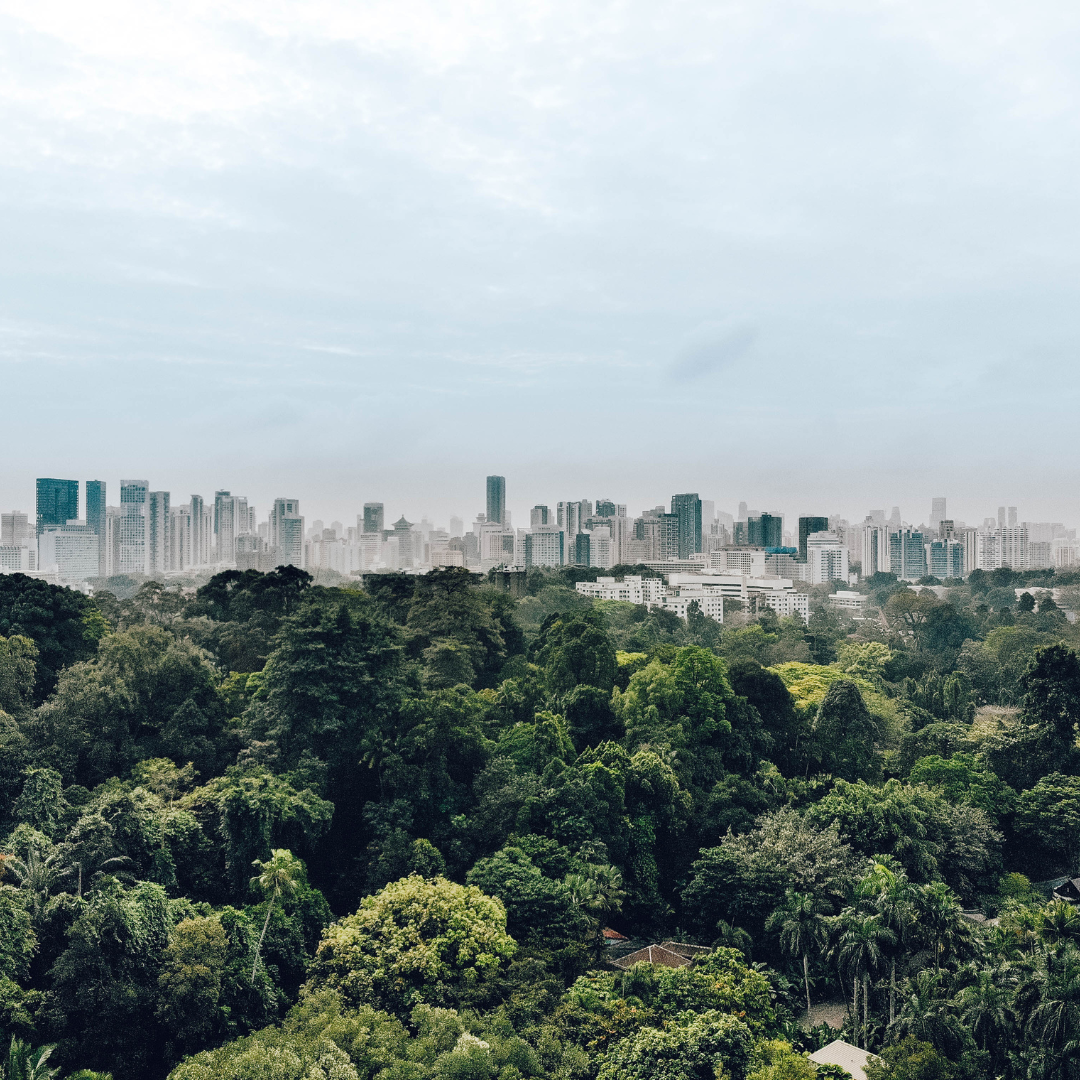
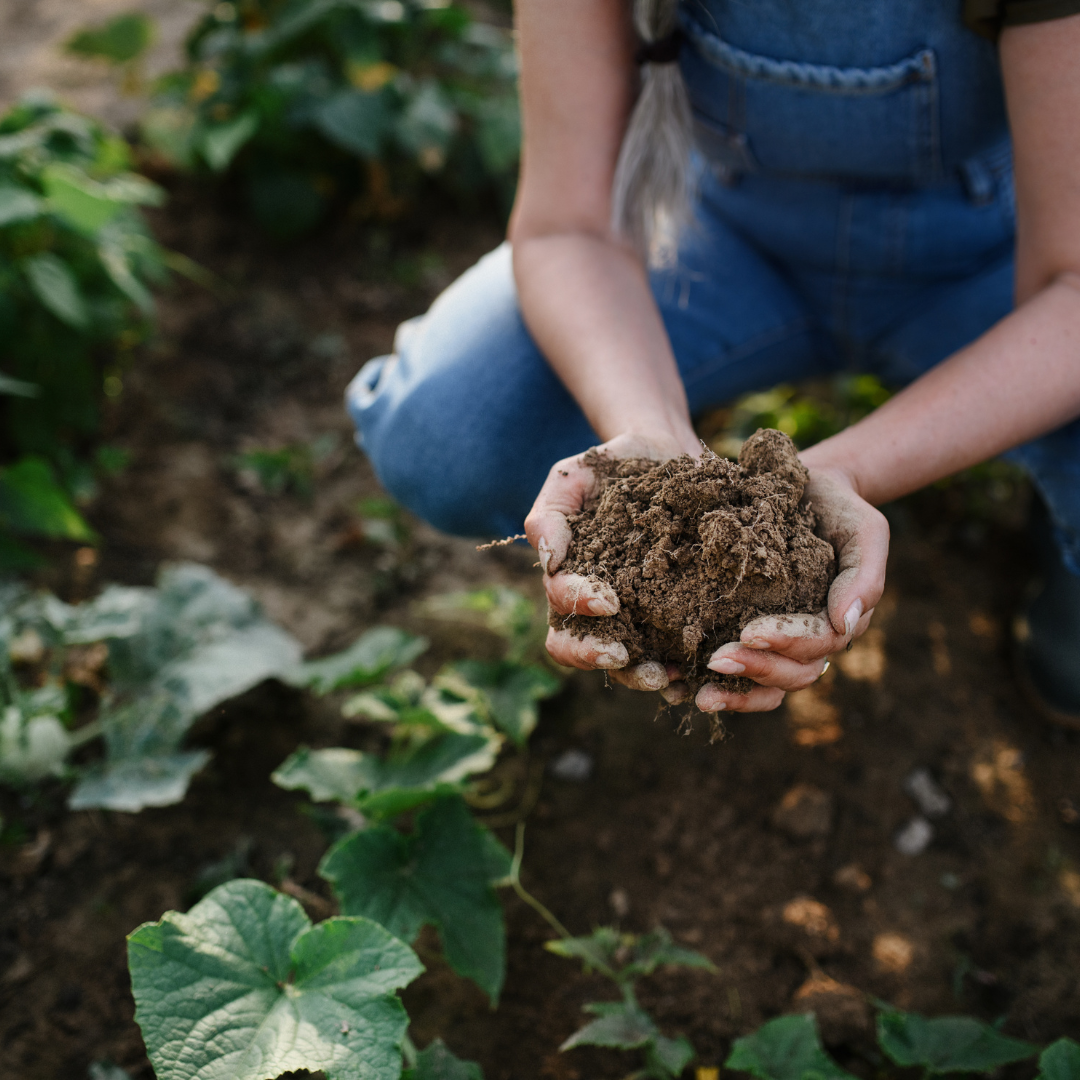
Yet urban biodiversity—the variety of plant and animal life that exists within city boundaries—is emerging as a crucial factor in building resilient, livable, and sustainable urban environments.
Circular material strategies offer a transformative path forward—shifting the industry from a linear “take-make-waste” model to one that values reuse, regeneration, and resource efficiency.
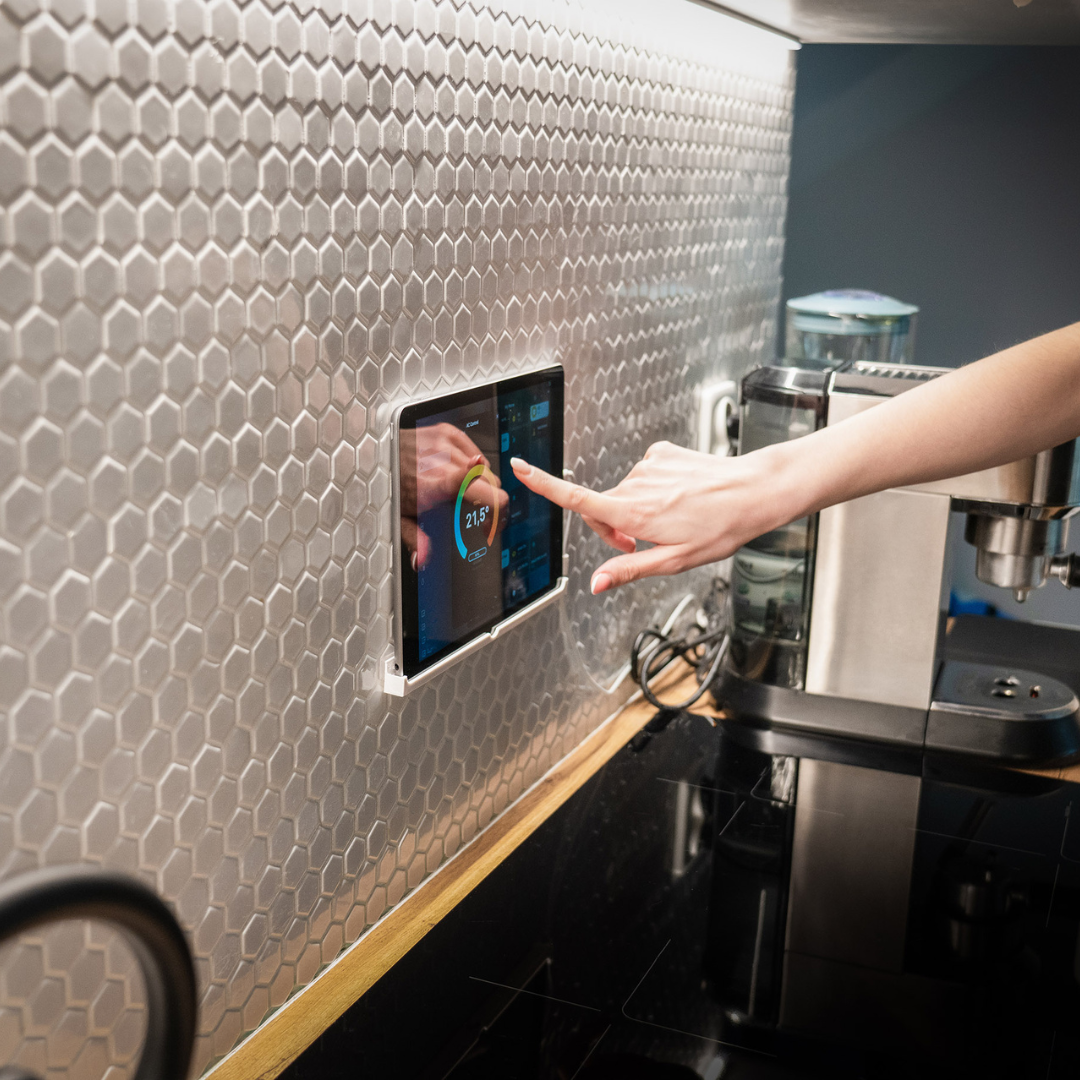
From air quality sensors to real-time water flow monitors, this infrastructure doesn’t take up space, yet it profoundly shapes how cities respond to climate challenges. It’s not about building more—it’s about building smarter.
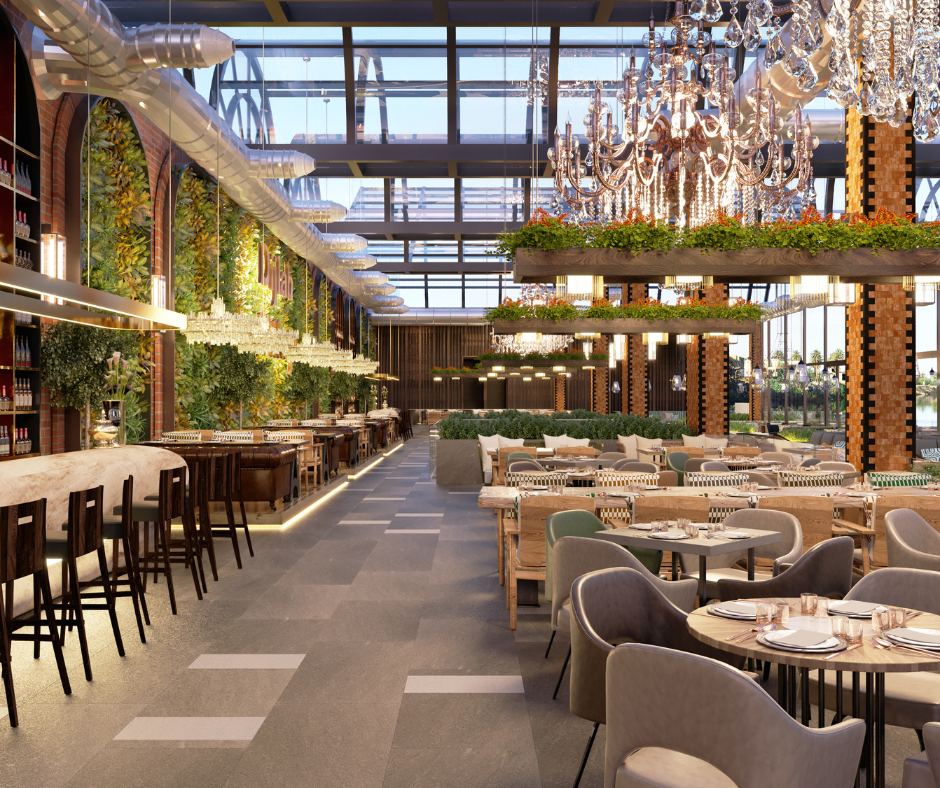
"Quiet architecture" is emerging as a thoughtful response—an approach that integrates acoustic performance into the design and planning of spaces from the outset.
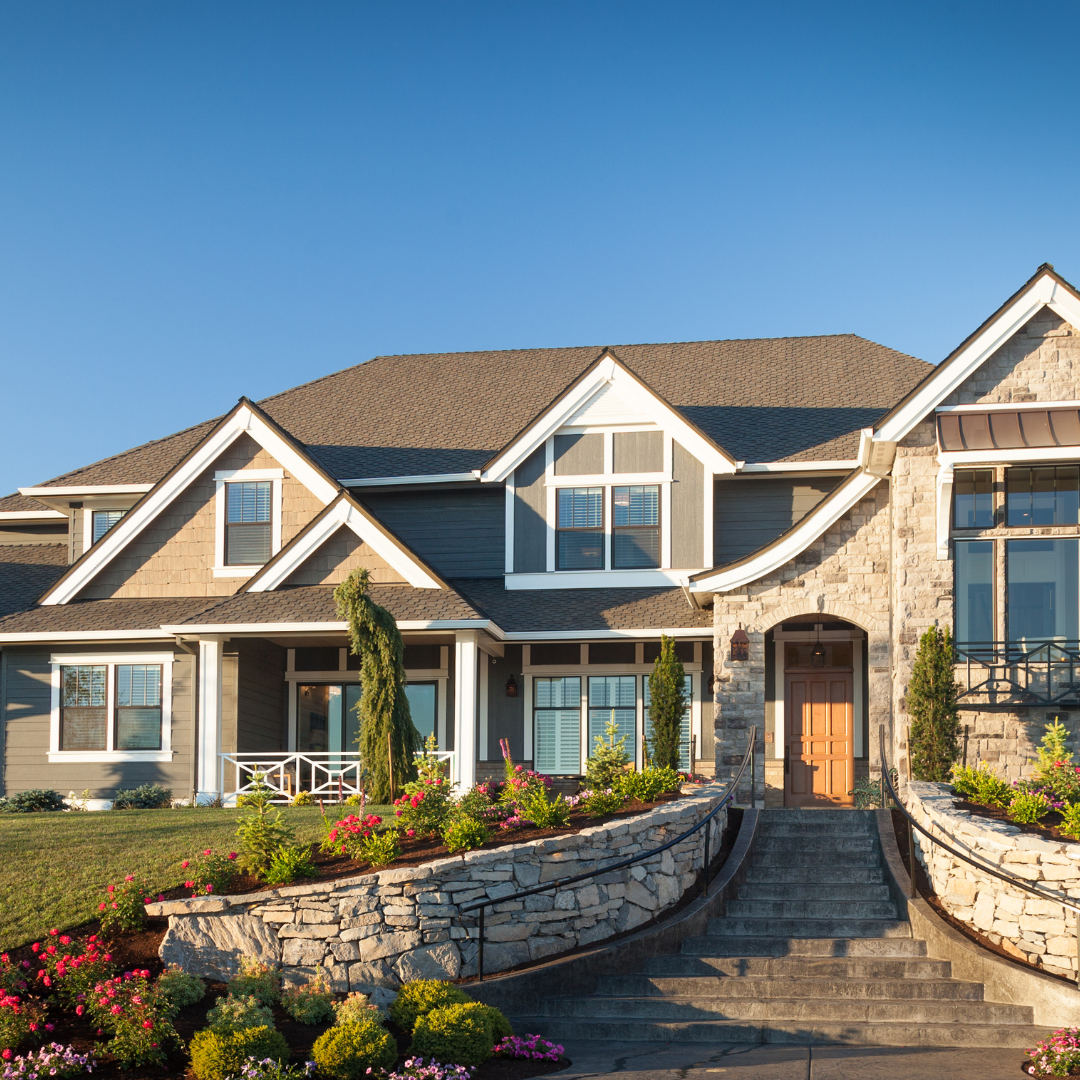
At Fresh Assets, we believe that climate-adaptive architecture is about more than survival. It’s about creating places that protect, empower, and regenerate in the face of growing extremes.
Europe has already embraced CLT on a large scale. Now, it’s expanding rapidly in North America and Latin America, especially where forests are sustainably managed.
Urban infill isn’t just about building more. It’s about building smarter, on land that’s already part of the urban fabric but has been overlooked or underutilized.