

.png)

In the world of sustainable real estate, the term "green" gets thrown around often — sometimes meaning energy-efficient, sometimes just symbolic. But there’s a new standard emerging — one that moves beyond “less harm” and into “more good.” It’s called regenerative development, and it’s not just an evolution of sustainability — it’s a bold, holistic rethinking of how we build, live, and invest.
At Fresh Assets, regenerative design isn’t an aspiration. It’s the principle behind every decision we make. In this post, we’ll break down what regenerative development really means, how it differs from traditional green building, and why it represents the most powerful — and profitable — path forward in real estate.
From Sustainable to Regenerative: A Necessary Shift
Let’s start with a definition.
In short, sustainability seeks to do less bad. Regeneration seeks to do more good.
This means going beyond compliance and net-zero goals. Regenerative developments are net-positive: they restore ecosystems, support human wellbeing, generate their own energy, clean their own water, and enhance the community around them.
The Six Pillars of Regenerative Development
At Fresh Assets, we build regenerative projects around six essential pillars:
1. Ecological Restoration
We don’t just preserve green space — we rebuild it. Regenerative developments aim to revive native ecosystems, not just limit disturbance. This includes:
Each Fresh Assets project includes nature-integration as infrastructure, not ornament.
2. Water Balance and Circular Use
While most buildings consume water, regenerative buildings harvest, filter, and reuse it. Our water strategies include:
The goal: return more clean water to the environment than we take.
3. Energy Independence and Net-Positive Power
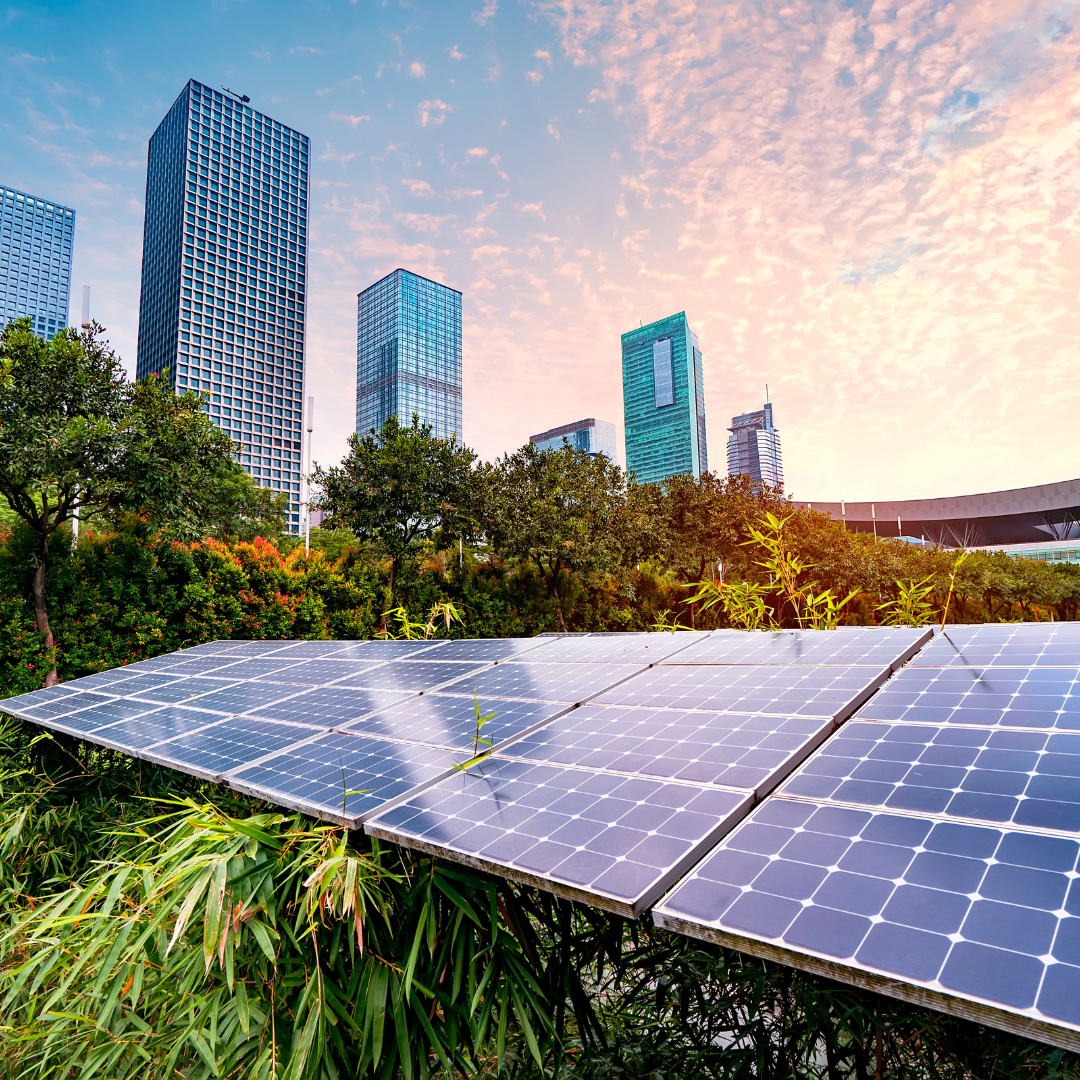
A regenerative building doesn’t just lower its energy use — it produces more clean energy than it consumes. We accomplish this through:
In several Fresh Assets projects, we’ve achieved zero-net or even net-positive energy performance — feeding energy back to the grid.
4. Health and Human Wellbeing
Regenerative developments are designed around people, not just systems. We incorporate:
Research shows that spaces designed for wellbeing increase productivity, reduce absenteeism, and improve tenant satisfaction — delivering real economic value for investors.
5. Community Enrichment
A regenerative project must improve the social fabric of its surroundings. That means:
At Fresh Assets, we measure a development’s success not just in square footage — but in community impact.
6. Economic Resilience
Sustainability without financial stability is not regenerative. We design for:
This results in lower risk, stronger long-term returns, and enhanced asset value.
What Does Regeneration Look Like in Practice?
Let’s break it down with a real-world lens. Imagine a Fresh Assets development on a previously degraded urban lot. A regenerative approach would:
The result: a building that heals the land, supports the people, and delivers real economic return.
The Business Case for Regenerative Development
You might be wondering: Does regeneration cost more?
In some cases, yes — but what matters is lifecycle ROI, not initial capital. Here’s why regenerative development pays off:
And perhaps most importantly: resilience to future regulation. As governments demand more from developers, regenerative buildings are already ahead of the curve.
Regeneration and the Investment Landscape
Real estate investors — from private equity to REITs — are increasingly seeking impact-aligned portfolios. Regenerative assets provide measurable environmental and social performance, which translates into:
In a world of rising scrutiny, regeneration offers compliance, performance, and purpose in one package.
Fresh Assets: Regeneration by Design
At Fresh Assets, regenerative thinking isn’t an add-on — it’s at the heart of everything we build. Our developments embody regeneration in form and function, delivering:
From our urban properties to coastal hospitality projects, regeneration drives our strategy — and our success.
Conclusion: From Sustainability to Abundance
We’re at a turning point. Sustainability may be the baseline — but regeneration is the future. It’s how we move from less damage to more healing. From buildings that survive to buildings that give back.
For investors, developers, and cities, regenerative real estate represents an opportunity to lead — not just in environmental terms, but in financial returns and social relevance.
Fresh Assets is ready to help you build what’s next.
Are you ready to go beyond sustainability?
👉 Contact us to explore regenerative development opportunities with Fresh Assets.