

.png)
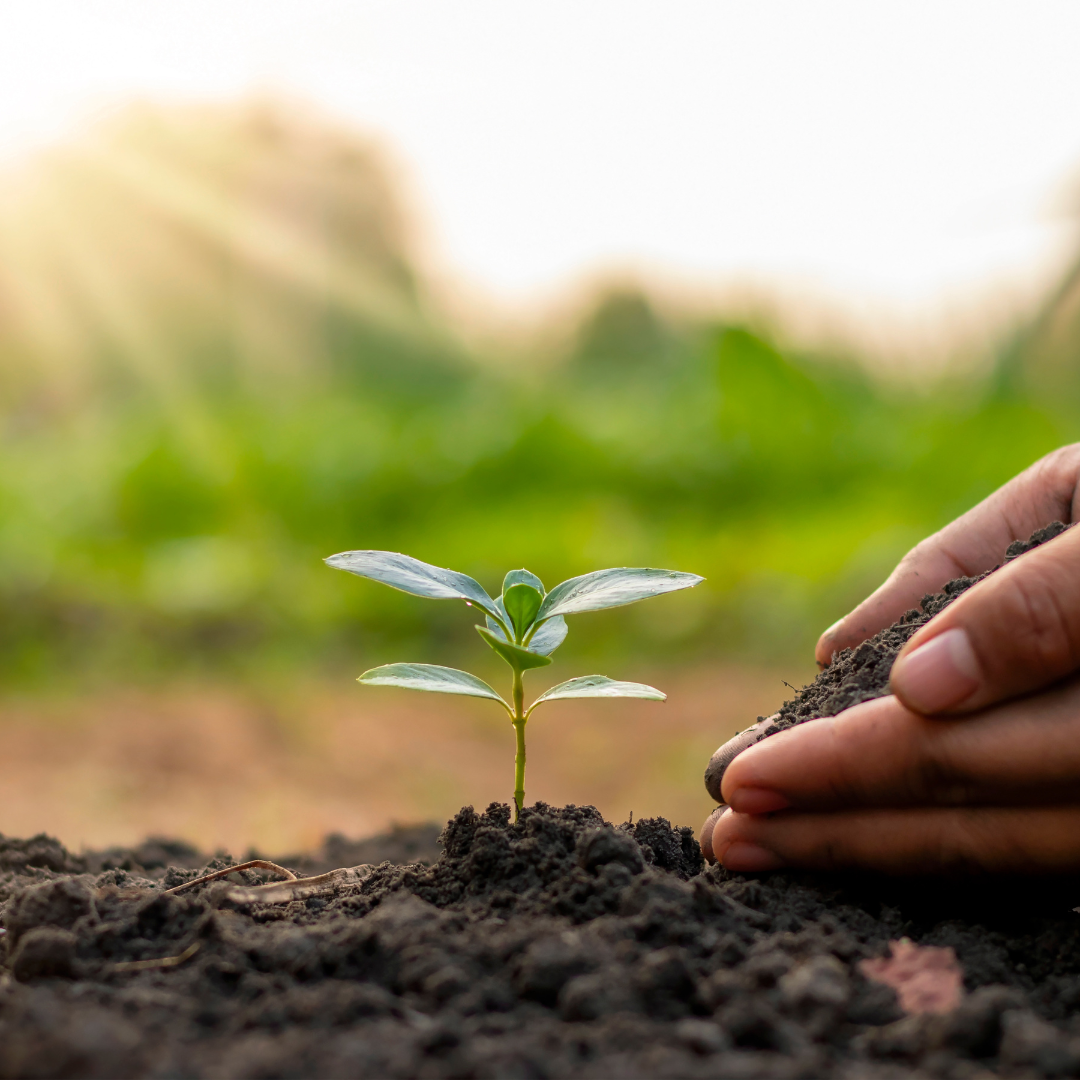
When we think of climate solutions, soil is rarely top of mind. Yet beneath our cities lies one of the most powerful, overlooked tools for carbon capture, water regulation, and ecosystem regeneration.
In regenerative urbanism, soil is more than ground to build on—it’s a living infrastructure. And how we treat it determines whether our developments restore or degrade the environment.
Urban soil degradation: a quiet crisis
Decades of construction, compaction, and pollution have rendered much of urban soil lifeless and impermeable. Paved surfaces and poor landscaping practices disconnect the soil from its ecological role.
Consequences include:
Healthy soil is not just an agricultural concern—it’s central to urban climate adaptation.
What makes soil a climate ally?
Soil functions as a carbon sink, storing more carbon globally than the atmosphere and vegetation combined. In urban settings, soil also:
These services are essential for building climate-smart cities—but only if soil is preserved and actively regenerated.
Strategies for urban soil regeneration
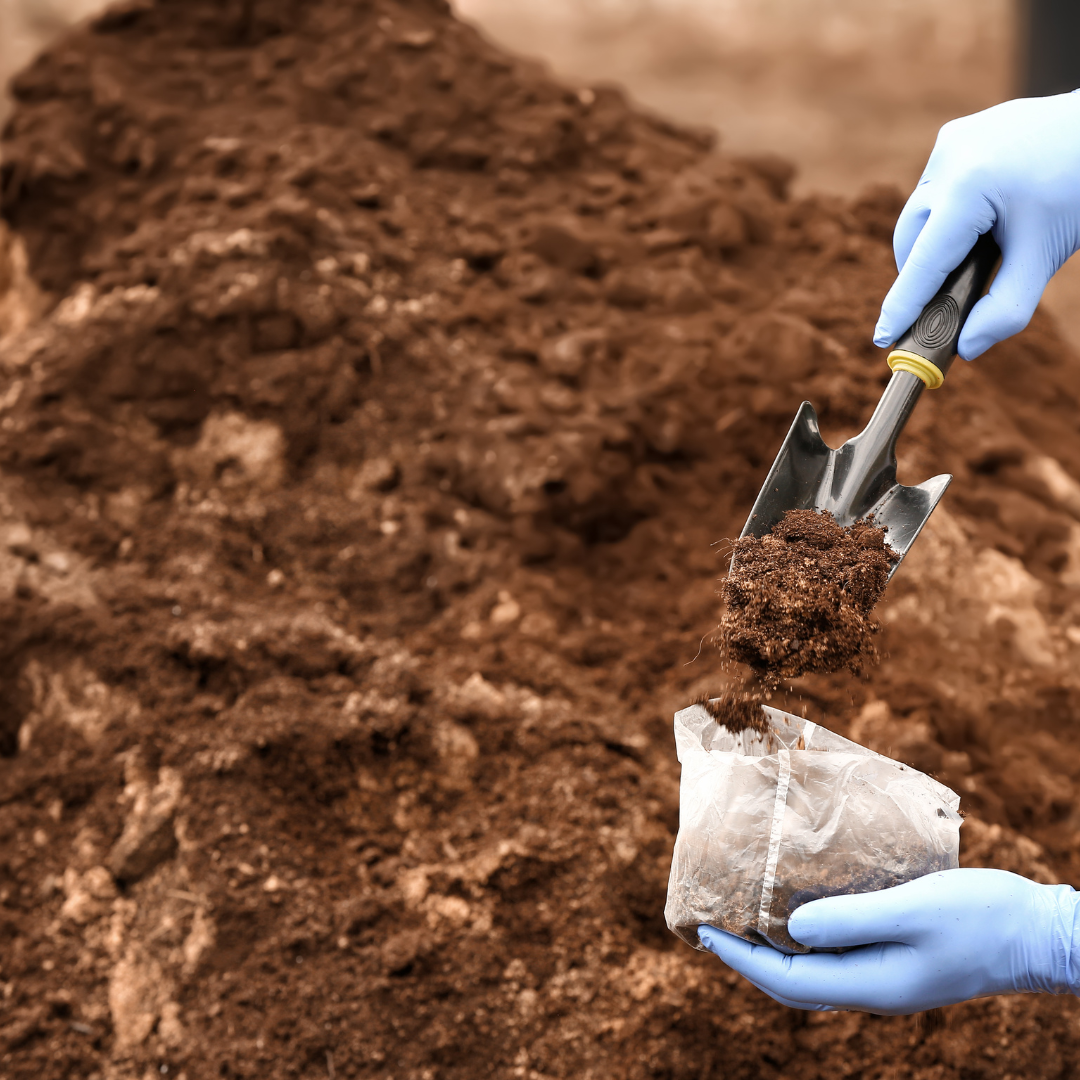
Soil equity: who gets healthy ground?
As with other urban resources, soil quality is unevenly distributed. Marginalized communities often live in areas with degraded or contaminated soils, limiting access to green space and exposing residents to health risks.
Regenerative development must include soil remediation as a form of environmental justice—because climate resilience starts from the ground up.
Conclusion
In the race toward sustainable cities, we cannot afford to overlook what’s underfoot. Soil is not inert. It breathes, processes, and stores vital resources. Treating it as infrastructure—not waste—opens the door to truly regenerative design.
Fresh Assets is committed to development that heals ecosystems as it builds communities. Because the most resilient foundation isn't steel or concrete—it's living soil.