

.png)
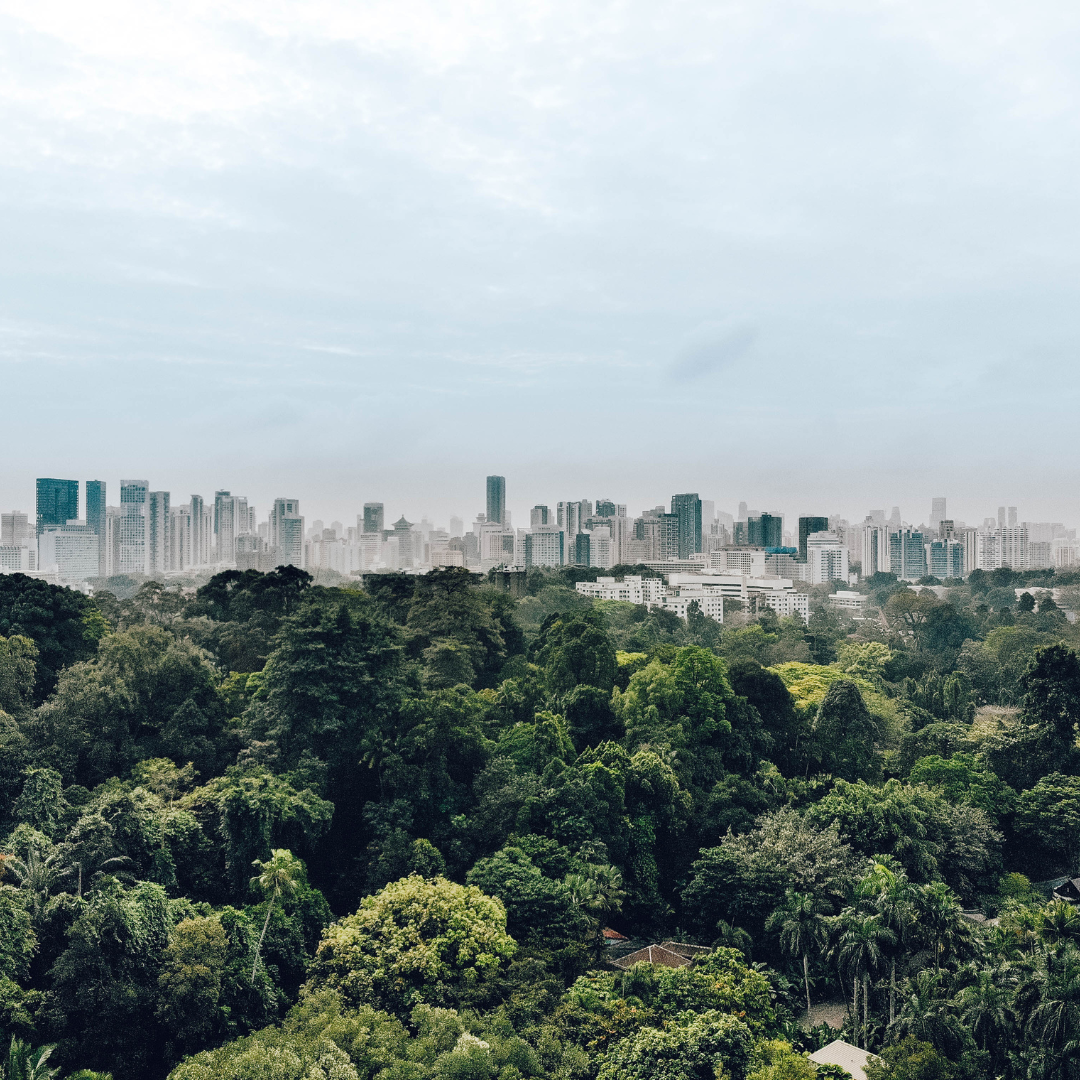
Cities have long been seen as concrete jungles, often at odds with the natural environment. Yet urban biodiversity—the variety of plant and animal life that exists within city boundaries—is emerging as a crucial factor in building resilient, livable, and sustainable urban environments.
Why biodiversity matters in cities
Urban ecosystems provide essential services:
Challenges to urban biodiversity
The main threats include habitat loss due to urban sprawl, pollution, and fragmented green spaces that isolate species. Additionally, poorly planned landscaping with non-native species can disrupt local ecosystems.
Strategies for enhancing biodiversity
Case examples
A future vision
A city that values biodiversity is more resilient to climate change, more attractive to residents, and better equipped to provide long-term environmental benefits. Integrating biodiversity into urban planning is not just a matter of environmental ethics—it’s an investment in the health, stability, and beauty of the city itself.