

.png)
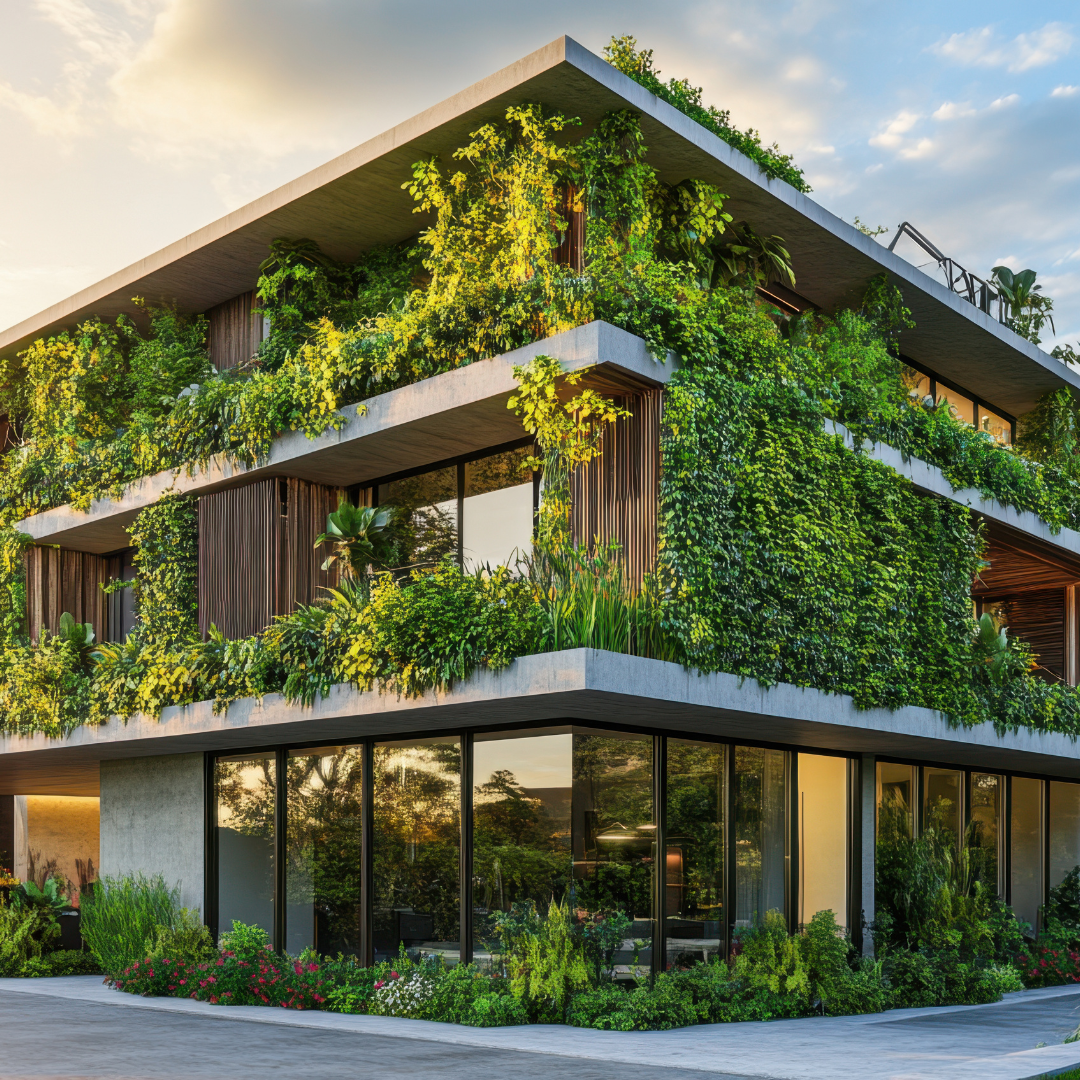
Urban growth has long been synonymous with the replacement of natural environments by dense, built infrastructure. While this approach has enabled rapid economic development, it has often come at the cost of soil health, biodiversity, and climate stability. Today, regenerative land use is shifting that paradigm — offering cities a way to grow while actively repairing the ecological systems they depend on.
From exploitation to restoration
Traditional development tends to prioritize immediate economic return over long-term ecological resilience. Regenerative land use inverts that logic, starting with ecological integrity as the foundation. This means designing urban expansion projects that restore degraded land, reestablish native vegetation, and improve the natural water cycle. In practice, it’s not just about “doing less harm,” but about leaving the land better than it was before construction.
Techniques driving the change
Several strategies are becoming central to regenerative urban planning:
Benefits beyond the environment
While the environmental gains are significant, regenerative land use also brings economic and social benefits:
Adoption in Latin America and the U.S.
In the U.S., cities like Portland and Austin are embedding regenerative design into zoning codes and green infrastructure plans. In Latin America, urban hubs like Medellín and Curitiba are integrating ecological corridors and green transport routes into new developments, ensuring that urban growth works with, not against, natural systems.
Looking ahead
As climate change intensifies and land scarcity grows, regenerative land use offers a pragmatic and future-ready approach to city building. It aligns economic growth with ecological recovery, creating urban environments where communities and ecosystems can thrive together.